What You'll Need
Sleep Foundation's list of supplies is short and mostly household items:
- Vacuum with an upholstery attachment
- Cold water
- Mild, bleach-free laundry detergent or dish soap
- Clean white cloths or rags
- Baking soda
- Enzyme cleaner (for urine, sweat and other organic stains)
- A spray bottle (optional)
Step-by-Step: How to Clean a Mattress
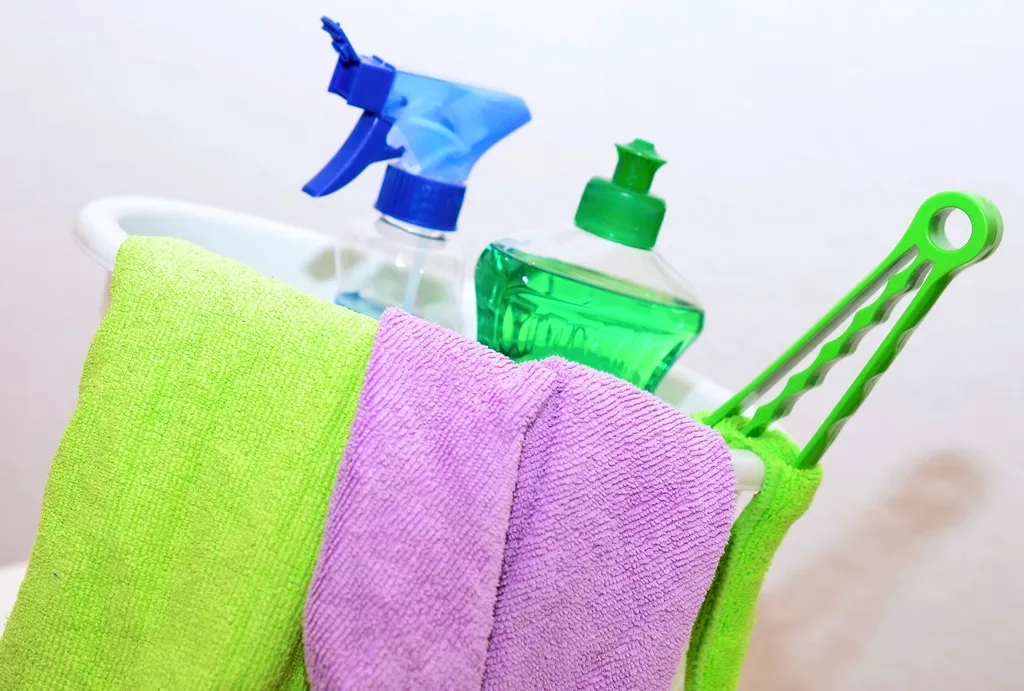
- Strip and wash the bedding. Wash sheets, pillowcases and the mattress protector in hot water if the care labels allow. Sleep Foundation recommends washing sheets weekly.
- Vacuum the whole mattress. Use the upholstery attachment on the top and sides, and stretch the fabric to pull debris from the seams.
- Spot-clean stains. Apply a small amount of cleaner to a cloth, not directly to the mattress, then blot. Sleep Foundation says to use as little solution as possible and avoid soaking the mattress.
- Deodorize with baking soda. Sprinkle a thin, even layer over the surface and leave it for several hours or overnight.
- Vacuum again to remove all the baking soda.
- Let it dry fully with windows open or a fan running before remaking the bed.
- Clean the other side if your mattress is flippable, as Casper recommends.
- Put on a protector to make the next clean easier.
How to Remove Common Mattress Stains
| Stain | What to Use | Notes |
|---|---|---|
| Urine | Enzyme cleaner, or diluted white vinegar, then baking soda | See how to get urine out of a mattress |
| Sweat (yellow stains) | Mild detergent solution or enzyme cleaner | Blot; don't scrub |
| Blood | Cold water first; diluted hydrogen peroxide for set stains | Never use hot water on blood |
| Food or drink | Mild dish soap and cold water | Blot quickly |
| Vomit | Enzyme cleaner, then baking soda | Remove solids first |
| Mold or mildew | See our mold on mattress guide | Established mold usually means replacing it |
Always blot, never rub, and patch-test any cleaner on a hidden area first. Hydrogen peroxide can lighten some fabrics.
How to Clean Different Types of Mattresses
| Mattress Type | Tips |
|---|---|
| Memory foam | Use minimal liquid; foam absorbs moisture and dries slowly. Check the manufacturer's guidance first. |
| Latex | Mild soap and water; avoid harsh chemicals and saturation |
| Hybrid / innerspring | Vacuum thoroughly; avoid soaking, which can reach the coils |
| Pillow-top | Use the crevice tool between the pillow top and the mattress edge |
| Removable-cover mattresses | Wash the cover only if the label says so |
Which? advises always checking the manufacturer's instructions and your warranty before cleaning a memory foam mattress.
Mattress Cleaning Don'ts
- Don't soak the mattress. Excess moisture can cause mold and damage foam.
- Don't use bleach or harsh chemicals; they can break down materials and void warranties.
- Don't remove a cover that isn't meant to come off. Some covers protect a fire barrier that may contain glass fibers. See fiberglass in mattresses.
- Don't remake the bed while it's damp.
Can You Shampoo or Steam Clean a Mattress?
Carpet shampoo and steam cleaners add a lot of moisture and heat, which can be risky for foam and may affect your warranty. We cover this in detail in can you shampoo a mattress?
How Often to Clean a Mattress
| Task | How Often |
|---|---|
| Wash sheets | Weekly |
| Wash mattress protector | Every 1–2 months, or after spills |
| Vacuum the mattress | Every few months, or when you rotate it |
| Deep clean | About twice a year |
| Spot-clean | As soon as a spill or accident happens |
A good habit is to vacuum whenever you rotate the mattress.
Prevention Is Easier Than Cleaning
A waterproof protector blocks spills, sweat and allergens before they reach the mattress, and it's machine washable:
Best for: Families who want a GOTS organic cotton protector in every size from crib to Cal king
| Type | 5-sided fitted waterproof protector |
|---|---|
| Fabric | GOTS organic cotton jersey (200 gsm) |
| Waterproof layer | Bio-based TPU film, per Sleep & Beyond |
| Sizes | Crib, twin, twin XL, full, queen, king, Cal king, split Cal king |
| Fits | Mattresses up to 18" deep (crib up to 6") |
| Care | Machine wash warm; tumble dry low; no ironing |
| Certifications | GOTS fabric; OEKO-TEX TPU |
| Warranty | 10 years |
- Sizes from crib to Cal king, so siblings can match
- GOTS organic cotton with a TPU, not vinyl, waterproof layer
- 10-year warranty
- Cut oversized and shrinks over the first few washes
- High heat can damage the waterproof lining
Learn more in what is a mattress protector? and our best mattress protector guide.
For pests and allergens, see bed bugs in mattress and dust mites in mattress.
Frequently Asked Questions
How Often Should You Clean a Mattress?
Time suggests deep cleaning about twice a year, and The Home Depot suggests about every six months. Vacuum and spot-clean as needed in between.
Can You Steam Clean a Mattress?
Some people do, but heat and moisture can damage foam and void a warranty. Check the manufacturer's instructions before steaming.
Can I Wash My Mattress Cover?
Only if the manufacturer says it's removable and washable. Some covers sit over a fire barrier that may contain fiberglass, so don't remove a cover that isn't designed to come off.
Does Baking Soda Clean a Mattress?
Baking soda helps absorb odors and some moisture. Sprinkle it on, leave it for several hours, then vacuum thoroughly.
How Do I Get Rid of Mattress Odors?
Vacuum, spot-clean any source of the smell, then use baking soda and let the mattress air out in a ventilated room.
The Bottom Line
Strip the bed, vacuum, spot-clean stains with a cloth and minimal liquid, deodorize with baking soda, vacuum again and let it dry completely. Deep clean about twice a year, and use a waterproof protector to cut down on cleaning in the first place.
Our top pick is the PlushBeds Botanical Bliss: certified organic latex in Medium or Medium-Firm, with a comfort exchange if you need it.
View Botanical Bliss