Organic vs. Natural at a Glance
| Organic | Natural | |
|---|---|---|
| Definition | Materials grown and processed to a certified organic standard | No legal definition for mattresses |
| Verified by | Third-party certifiers (GOTS, GOLS) | Usually no one |
| Typical materials | Organic latex, cotton, wool | Latex, cotton, wool, plant fibers (may not be organic) |
| Can include synthetics? | Restricted by standard | Yes, unless the brand says otherwise |
| Price | Highest | Moderate to high |
| How to verify | Certificate or license number | Brand claims and component details |
What Does Organic Mean on a Mattress?
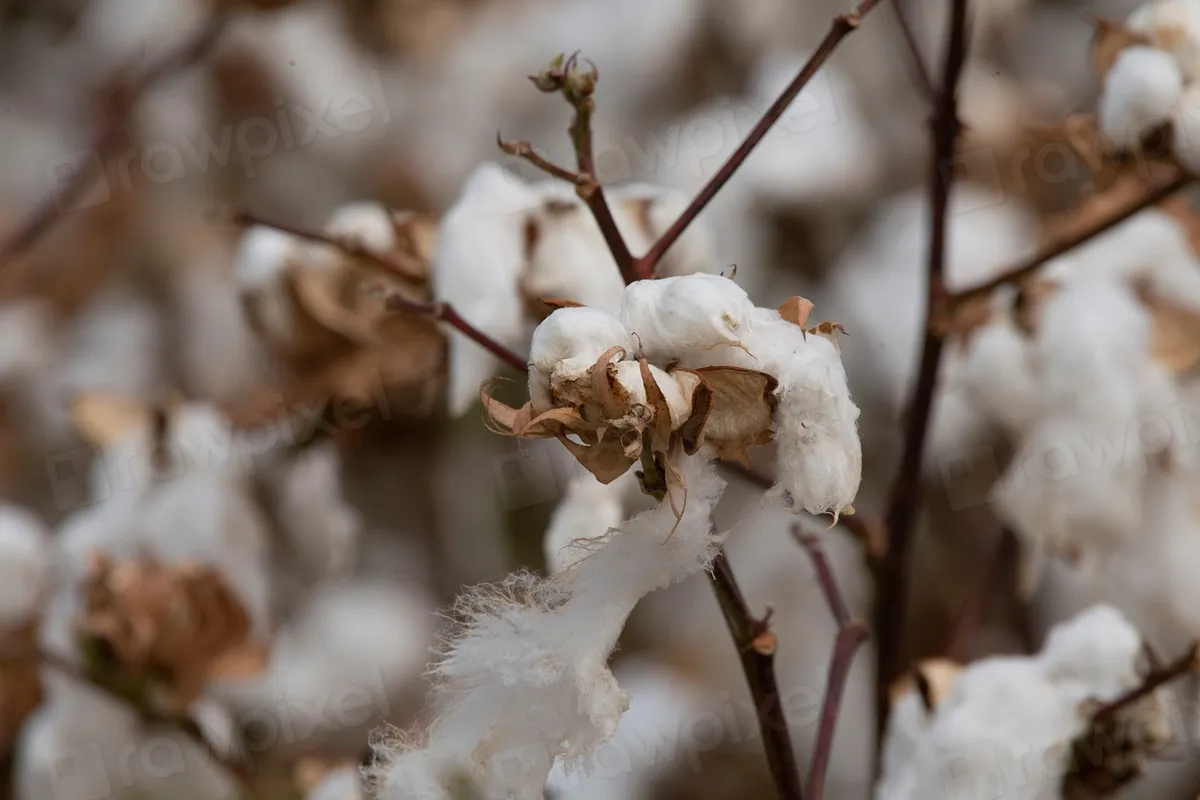
An organic material is grown without synthetic pesticides and fertilizers and processed under rules that restrict harmful chemicals. For mattresses, the main standards are:
- GOTS (Global Organic Textile Standard): covers organic cotton and wool and can certify a finished mattress, not just its fabric.
- GOLS (Global Organic Latex Standard): covers organic latex content.
There's an important difference between a certified organic mattress (the finished product is certified) and a mattress made with organic materials (some components are certified). Both can be legitimate, but they're not the same claim.
What Does Natural Mean on a Mattress?
"Natural" usually means the mattress uses materials from natural sources, such as latex from rubber trees, wool, cotton or coconut fiber, rather than petroleum-based foams. But there's no standard, no audit and no limit on how much of the mattress has to be natural. A "natural" mattress could still contain polyurethane foam or synthetic latex.
That doesn't make natural mattresses bad. Many use high-quality natural latex and wool. It just means you need to read the details.
Other Certifications Worth Knowing
| Certification | What it covers |
|---|---|
| GREENGUARD Gold | Low chemical emissions for indoor air |
| OEKO-TEX Standard 100 | Tested for harmful substances |
| eco-INSTITUT | Emissions and harmful substances, often for latex |
| CertiPUR-US | Certain chemicals and emissions in polyurethane foams |
| MADE SAFE | Screened against a list of harmful chemicals |
These aren't organic certifications, but they address the health and emissions questions many organic shoppers care about. See our best non-toxic mattress guide.
How to Spot Greenwashing

- Vague words without details: "eco," "green," "natural," "pure" with no materials list.
- "Made with organic" without saying what: a small organic cotton panel on an otherwise conventional bed.
- Logos without license numbers: real GOTS and GOLS certifications have numbers you can check.
- Certifying the factory, not the product: check whether the certificate covers your mattress.
- "Chemical-free": everything is made of chemicals; look for specific restrictions instead.
Which Should You Choose?
- Choose certified organic if verified organic materials are a priority and you're willing to pay more.
- Choose natural with good certifications if you want natural latex and wool at a lower price, backed by emissions certifications.
- Either way, choose the right firmness and construction for your body; certification doesn't make a bed comfortable.
Organic and Natural Mattresses We Recommend
Best for: Shoppers who want certified organic latex with a firmness they can change later
| Type | All-latex, organic Dunlop core |
|---|---|
| Heights | 9", 10" or 12" |
| Firmness | Medium or Medium-Firm; dual firmness on split sizes |
| Certifications | GOLS, GOTS, GREENGUARD Gold, eco-INSTITUT |
| Fire barrier | Organic wool |
| Trial | 365-night return policy (per product page) |
| Warranty | Lifetime |
| Made in | California |
- Zippered cover lets you swap the comfort layer for a firmer or softer one
- Organic latex core sourced from Sri Lanka (Arpico)
- Organic wool fire barrier on all six sides
- Premium price tier
- Heavy, like most all-latex beds
- PlushBeds' pages list some trial terms inconsistently, so confirm at checkout
The PlushBeds Botanical Bliss lists GOLS-certified organic latex, GOTS, GREENGUARD Gold and eco-INSTITUT certifications, with an organic wool fire barrier. See our best organic mattress guide.
Best for: Value-minded shoppers who still want organic certifications
| Type | Latex hybrid, 11" |
|---|---|
| Firmness | Medium (ILD 24–26) or Medium-Firm (ILD 29–31) |
| Latex | GOLS-certified organic Arpico latex |
| Wool/cotton | GOTS organic wool and cotton; wool also OEKO-TEX Standard 100 |
| Coils | Fabric-encased Quantum coils |
| Trial | 90 nights |
| Warranty | 15-year limited |
| Made in | Los Angeles, California |
- Organic latex, wool and cotton at a lower price tier than most organic hybrids
- Encased coils limit partner disturbance
- No polyurethane foam, per Eco Terra
- 90-night trial is shorter than many rivals
- Fewer firmness choices than adjustable-layer latex beds
Eco Terra uses GOLS-certified organic latex and GOTS-certified organic wool and cotton over coils, at a lower price tier.
Best for: DIY-minded buyers who want to fine-tune firmness by rearranging layers
| Type | All-latex, 10" total |
|---|---|
| Layers | Three 3" organic Dunlop layers: soft, medium and firm |
| Firmness | Adjustable, roughly medium to firm |
| Latex | GOLS-certified organic Dunlop, OEKO-TEX Standard 100 |
| Cover | Organic cotton (GOTS) and wool, quilted |
| Fire barrier | Wool only; no fiberglass or chemical flame retardants |
| Trial | 120 nights |
| Warranty | 10-year limited |
| Assembly | You zip the layers into the cover yourself |
- Rearrange the three layers to change the feel
- Single replacement layers available later, so you don't have to buy a new bed
- No fiberglass or chemical flame retardants, per Spindle
- Requires assembly
- Cover isn't washable
- Refunds require donating the mattress, per Spindle's terms
Spindle uses GOLS-certified organic Dunlop latex with an organic cotton and wool cover, and says it uses no fiberglass or chemical flame retardants.
Which Is Better For...
| Need | Better choice |
|---|---|
| Verified organic materials | Certified organic |
| Natural materials on a lower budget | Natural with emissions certifications |
| Low chemical emissions | Either, with GREENGUARD Gold or OEKO-TEX |
| Vegan or wool-free | Check for wool-free options in either category |
| Comfort and support | Either; choose by firmness and construction |
Questions to Ask a Mattress Brand
- Which components are certified organic, and under which standard?
- Is the finished mattress certified, or only some materials?
- Can you share the certificate or license number?
- What is the fire barrier made of?
- Does the mattress contain polyurethane foam or synthetic latex?
Clear, specific answers are a good sign. Vague answers usually mean the claim is marketing.
For a full rundown of what each label tests, see mattress certifications explained.
Frequently Asked Questions
Is a Natural Mattress the Same as an Organic Mattress?
No. Organic materials are grown and processed to certified standards and verified by third parties. Natural has no legal definition for mattresses and isn't independently verified.
What Certification Proves a Mattress Is Organic?
GOTS (Global Organic Textile Standard) can certify a finished mattress or its textiles. GOLS (Global Organic Latex Standard) certifies organic latex. Check for a license number you can verify.
Are Organic Mattresses Worth It?
They're worth it if verified organic materials matter to you. Organic mattresses cost more, and certification doesn't by itself make a bed more comfortable or supportive.
Is an Organic Mattress Non-Toxic?
Organic standards restrict many chemicals, but non-toxic isn't a regulated term. Emissions certifications like GREENGUARD Gold and OEKO-TEX Standard 100 address that separately.
Can a Mattress Be Partly Organic?
Yes. Many mattresses contain some organic materials, such as an organic cotton cover, without being organic as a whole. Read which components are certified.
The Bottom Line
Organic is a certified, verifiable standard; natural is a description with no rules behind it. If organic matters to you, look for GOTS and GOLS certifications with license numbers, and check whether they cover the whole mattress or just parts. If you're happy with natural, look for emissions certifications and clear material lists.
Our top pick is the PlushBeds Botanical Bliss: certified organic latex in Medium or Medium-Firm, with a comfort exchange if you need it.
View Botanical Bliss