Memory Foam vs. Latex at a Glance
| Memory foam | Latex | |
|---|---|---|
| Made from | Polyurethane foam with added chemicals that slow its response | Rubber tree sap (natural), synthetic rubber, or a blend |
| Feel | Slow sink, close "hug" | Springy, buoyant, "on top" |
| Pressure relief | Excellent | Very good |
| Ease of moving | Harder | Easy |
| Temperature | Warmer (gel and copper help) | Cooler |
| Motion isolation | Excellent | Good |
| Durability | Moderate to good, depending on density | Very good |
| Smell when new | Some off-gassing is common | Mild rubbery smell, fades |
| Weight | Light to moderate | Heavy |
| Price | Lower | Higher |
What Is Memory Foam?
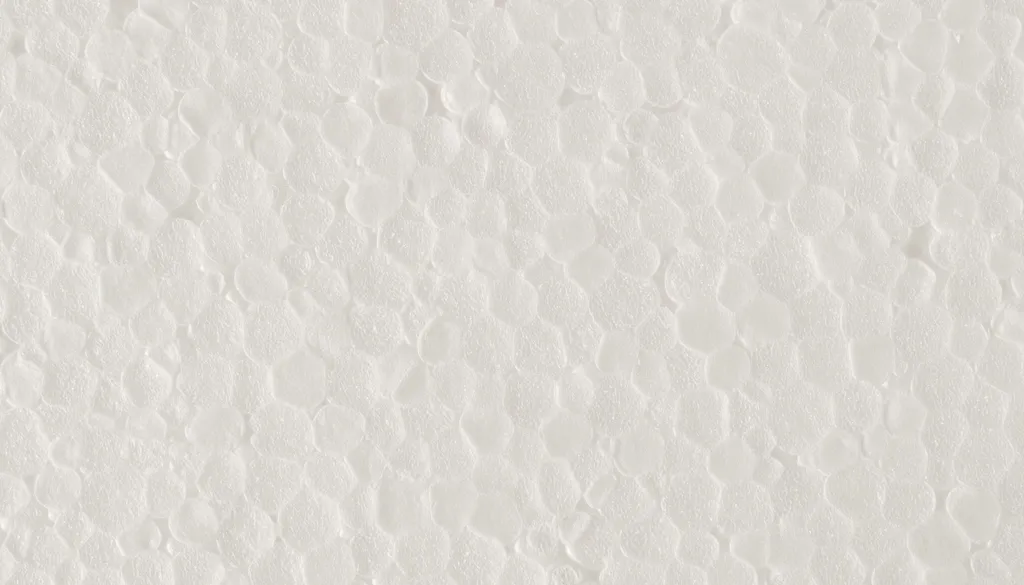
Memory foam is polyurethane foam made to respond slowly to heat and pressure. When you lie down, it softens and molds around your shape, then slowly returns once you get up. That slow response gives it its signature feel: close contouring that spreads pressure across a large area and absorbs movement.
Most memory foam mattresses layer memory foam over a firmer polyfoam support core. Many brands add gel, copper or graphite to the foam, or use open-cell structures, to reduce heat. Look for CertiPUR-US certification, which tests foams for certain chemicals and emissions.
What Is Latex?
Latex foam is made from rubber. Natural latex comes from the sap of rubber trees, whipped and baked into foam. Synthetic latex uses petroleum-based rubber; blended latex combines both. There are two main production methods:
- Dunlop: denser and firmer at the bottom, often used in support cores. Most organic latex is Dunlop.
- Talalay: more consistent and airy, often softer, used in comfort layers.
Latex responds instantly: it compresses where you press and pushes back right away. It's resilient, breathable and long-lasting. Look for GOLS (organic) or eco-INSTITUT and OEKO-TEX certifications.
Head-to-Head Comparison
Feel and Pressure Relief
Memory foam lets you sink in and feel held. Latex cushions you but keeps you closer to the surface. Side sleepers who want deep shoulder and hip relief often prefer memory foam; people who feel "stuck" in foam usually prefer latex.
Temperature
Latex generally sleeps cooler. It's more breathable, and because you don't sink in as deeply, less of your body is surrounded by material. Memory foam can trap heat, though gel infusions, open-cell foams and breathable covers help. See our best cooling mattress guide.
Motion Isolation
Memory foam absorbs movement better, so it's a strong choice for couples where one partner is restless. Latex transfers a little more motion because it's springier, though less than traditional innersprings. See our best mattress for couples guide.
Durability
Latex is one of the most durable comfort materials. It resists body impressions and keeps its feel for years. Memory foam durability depends heavily on density: high-density foams last well, while low-density foams in budget beds soften and develop impressions sooner.
Ease of Movement
Latex makes it easy to turn over and get out of bed because it pushes back. That's useful for combination sleepers, people with arthritis and older adults. See our best mattress for seniors and best mattress for arthritis guides.
Materials and Off-Gassing
Natural and organic latex appeal to shoppers who want fewer synthetic materials. New memory foam often has a chemical smell for a few days. Latex has a milder, rubbery smell. Certifications like GREENGUARD Gold verify low emissions for either. See our best non-toxic mattress guide.
Weight and Handling
Latex is heavy. A queen all-latex mattress is much harder to move or rotate than a memory foam one.
Price
Memory foam costs less. Natural and organic latex cost more because of the raw material and processing. See our best mattress under $1,000 guide for memory foam value picks.
Who Should Choose Each
Choose memory foam if you:
- Sleep on your side and want deep pressure relief
- Share a bed and are bothered by a partner's movement
- Like a slow, hugging feel
- Want a lower price
Choose latex if you:
- Sleep hot
- Change positions often or find it hard to move on foam
- Want natural or organic materials
- Want a mattress that lasts as long as possible
- Have joint pain and need to get up easily
Can't decide? Hybrids put latex or memory foam over coils, and some beds combine latex and memory foam layers. See our best hybrid mattress guide.
Memory Foam Mattresses We Recommend
Best for: Budget shoppers who want two firmness options in one bed
| Type | Flippable memory foam |
|---|---|
| Height | 10.5" |
| Firmness | Soft side and firm side |
| Foam | Copper-gel-infused high-resilience memory foam |
| Certifications | CertiPUR-US |
| Fiberglass | None, per Layla |
| Trial | 120 nights |
| Warranty | Lifetime |
- Flip it to switch between soft and firm
- Fiberglass-free, per Layla
- Lifetime warranty
- Memory foam feel isn't for everyone
- Not latex or organic
The Layla Memory Foam is flippable, with a soft side and a firm side, copper-gel-infused foam and a lifetime warranty. See our best memory foam mattress guide for more picks.
Best for: Budget shoppers who want a choice of firmness, height and foam or coils
| Type | Black Foam (memory foam) or Black Hybrid (coils + foam) |
|---|---|
| Heights | 12" or 14" |
| Firmness | 3 firmness levels |
| Cover | Graphora cooling cover |
| Trial | 100 nights (returns after a 21-night adjustment period) |
| Warranty | 10-year limited |
| Made in | USA with imported fabric |
- Foam or hybrid in the same line
- Three firmness levels and two heights
- Budget-friendly price tier
- 21-night minimum before returns
- Fewer natural materials than latex brands
The EGOHOME Black comes in foam or hybrid builds, three firmness levels and two heights, at a budget price.
Latex Mattresses We Recommend
Best for: Shoppers who want certified organic latex with a firmness they can change later
| Type | All-latex, organic Dunlop core |
|---|---|
| Heights | 9", 10" or 12" |
| Firmness | Medium or Medium-Firm; dual firmness on split sizes |
| Certifications | GOLS, GOTS, GREENGUARD Gold, eco-INSTITUT |
| Fire barrier | Organic wool |
| Trial | 365-night return policy (per product page) |
| Warranty | Lifetime |
| Made in | California |
- Zippered cover lets you swap the comfort layer for a firmer or softer one
- Organic latex core sourced from Sri Lanka (Arpico)
- Organic wool fire barrier on all six sides
- Premium price tier
- Heavy, like most all-latex beds
- PlushBeds' pages list some trial terms inconsistently, so confirm at checkout
The PlushBeds Botanical Bliss is all organic Dunlop latex with GOLS and GOTS certifications and a comfort layer you can swap. See our best latex mattress guide for more picks.
Best for: Value-minded shoppers who still want organic certifications
| Type | Latex hybrid, 11" |
|---|---|
| Firmness | Medium (ILD 24–26) or Medium-Firm (ILD 29–31) |
| Latex | GOLS-certified organic Arpico latex |
| Wool/cotton | GOTS organic wool and cotton; wool also OEKO-TEX Standard 100 |
| Coils | Fabric-encased Quantum coils |
| Trial | 90 nights |
| Warranty | 15-year limited |
| Made in | Los Angeles, California |
- Organic latex, wool and cotton at a lower price tier than most organic hybrids
- Encased coils limit partner disturbance
- No polyurethane foam, per Eco Terra
- 90-night trial is shorter than many rivals
- Fewer firmness choices than adjustable-layer latex beds
The Eco Terra Hybrid pairs organic latex with encased coils at a lower price tier.
Toppers: Try Before You Commit
If you're curious about a material but not ready for a new mattress, a topper lets you try the feel. See our best latex mattress topper and best memory foam mattress topper guides.
Frequently Asked Questions
Is Latex Better Than Memory Foam?
Neither is better for everyone. Latex is more durable, cooler and more responsive; memory foam contours more closely, isolates motion better and usually costs less.
Does Latex Sleep Cooler Than Memory Foam?
Generally, yes. Latex is more breathable and you sit more on top of it. Gel and copper infusions help memory foam, but it usually still runs warmer.
Which Lasts Longer, Latex or Memory Foam?
Latex usually lasts longer. Natural latex mattresses often last 10 years or more; memory foam beds often last around 7 to 10, depending on foam density.
Is Latex or Memory Foam Better for Back Pain?
Both can work if the firmness is right. Latex's support and easy movement suit many back sleepers; memory foam's contouring suits many side sleepers. Firmness matters more than material.
Can People With Latex Allergies Sleep on a Latex Mattress?
Latex is enclosed in the mattress cover, and some processing removes much of the protein linked to allergies, but people with a latex allergy should ask their doctor before buying one.
Why Are Latex Mattresses More Expensive?
Natural latex is harvested from rubber trees and processed into foam, which costs more than making polyurethane memory foam. Organic certifications add cost too.
The Bottom Line
Memory foam hugs, isolates motion and costs less. Latex bounces, sleeps cooler, lasts longer and uses more natural materials. Choose memory foam for deep side-sleeper pressure relief on a budget, and latex if you sleep hot, move a lot, or want a mattress that will last.
Our top pick is the PlushBeds Botanical Bliss: certified organic latex in Medium or Medium-Firm, with a comfort exchange if you need it.
View Botanical Bliss