Innerspring vs. Memory Foam at a Glance
| Innerspring | Memory foam | |
|---|---|---|
| Support | Steel coils | Dense polyfoam |
| Comfort layer | Thin padding | Thick memory foam |
| Feel | Bouncy, on top | Slow sink, hugging |
| Pressure relief | Fair | Excellent |
| Motion isolation | Fair (better with pocketed coils) | Excellent |
| Temperature | Cool | Warmer |
| Noise | Can squeak as it ages | Silent |
| Durability | Shorter for basic models | Depends on foam density |
| Price | Low to moderate | Low to moderate |
What Is an Innerspring Mattress?
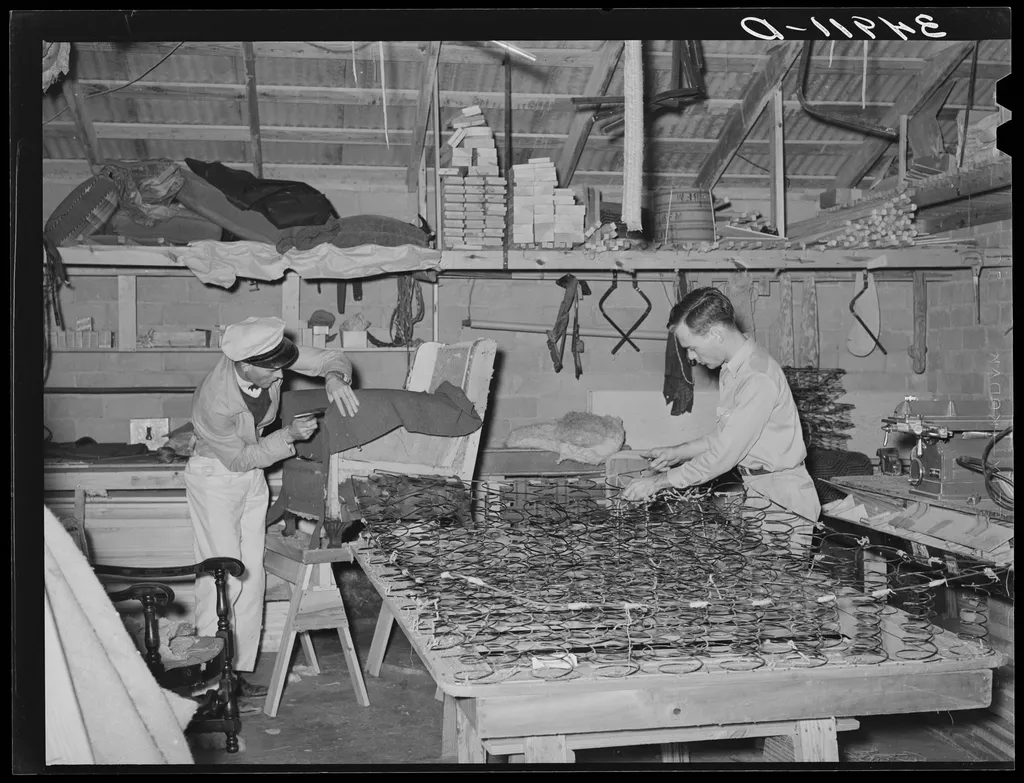
An innerspring mattress uses a core of steel coils for support, with a relatively thin layer of padding on top. Older and budget models use connected coils (Bonnell, offset or continuous wire); better ones use individually pocketed coils. The result is a firm, bouncy, breathable surface you sleep on top of.
Innersprings have been the standard for most of the last century. Today, most coil beds sold online are hybrids, with thicker comfort layers. See our best innerspring mattress and pocket coil vs. innerspring guides.
What Is a Memory Foam Mattress?
A memory foam mattress is all foam: memory foam comfort layers over a high-density polyfoam support core. Memory foam softens with body heat and slowly molds to your shape, relieving pressure and absorbing motion. See our best memory foam mattress guide.
Head-to-Head Comparison
Feel
This is the biggest difference. On an innerspring, you sit on top and the bed pushes back. On memory foam, you sink in and feel held. People tend to have strong preferences, so think about which beds you've liked in the past.
Pressure Relief
Memory foam wins. Thin innerspring padding concentrates pressure on the shoulders and hips, which side sleepers feel most. See our best mattress for side sleepers guide.
Temperature
Innersprings win. Air moves freely through the coils, and you're not surrounded by foam.
Motion and Noise
Memory foam absorbs motion and makes no noise. Connected-coil innersprings transfer movement across the bed and can squeak as they age; pocketed coils are much quieter.
Ease of Movement
Innersprings make it easy to roll over and get out of bed. Memory foam's slow response can feel like quicksand to some people.
Durability
Basic innersprings lose support as coils fatigue and thin padding compresses. Memory foam life depends on foam density: high-density foams last well; low-density foams soften and develop impressions sooner.
Price
Both span a wide range. Budget versions of each are inexpensive; premium versions of each cost more.
Who Should Choose Each
Choose an innerspring if you:
- Like a firm, bouncy, on-top feel
- Sleep hot
- Sleep on your back or stomach
- Want easy movement and a firm edge
Choose memory foam if you:
- Sleep on your side
- Have pressure points at the shoulders and hips
- Share a bed and want minimal motion transfer
- Prefer a quiet, cradling feel
Consider a hybrid if you want some of both. See our memory foam vs. hybrid and hybrid vs. innerspring guides.
Coil Mattresses We Recommend
Best for: Back and stomach sleepers who like a firm, hotel-style innerspring feel
| Type | Hybrid innerspring |
|---|---|
| Height | 13" |
| Firmness | Plush, Luxury Firm (medium) or Firm |
| Coils | 1,200 individually wrapped coils (king) |
| Foams | CertiPUR-US certified |
| Trial | 100 nights |
| Warranty | 10-year, non-prorated |
| Made in | Cleveland, Ohio |
- Three firmness levels, including a true firm option
- Made in the USA from US-sourced materials, per Aviya
- Reinforced foam edge support
- Not an organic or latex mattress
- One firmness per mattress (no split sides)
The Aviya uses individually wrapped coils under high-density foams, with a firm foam edge, in three firmness levels. It has the bounce and support of an innerspring with more pressure relief.
Best for: Back and stomach sleepers and heavier people who want a very firm, hotel-style bed
| Type | Hybrid innerspring |
|---|---|
| Height | 13" |
| Firmness | Firm (Aviya calls it a 'very firm hotel feel') |
| Coils | 1,200 individually wrapped coils (king) |
| Edge | 7.5" x 3" high-density perimeter foam |
| Trial | 100 nights |
| Warranty | 10-year, non-prorated |
| Made in | Cleveland, Ohio |
- A genuinely firm option, not just medium-firm
- Reinforced edges for sitting and sleeping near the edge
- Made in the USA
- Likely too firm for most side sleepers
- Not latex or organic
Aviya's Firm option gives the flat, supportive feel of a traditional innerspring.
Memory Foam Mattresses We Recommend
Best for: Budget shoppers who want two firmness options in one bed
| Type | Flippable memory foam |
|---|---|
| Height | 10.5" |
| Firmness | Soft side and firm side |
| Foam | Copper-gel-infused high-resilience memory foam |
| Certifications | CertiPUR-US |
| Fiberglass | None, per Layla |
| Trial | 120 nights |
| Warranty | Lifetime |
- Flip it to switch between soft and firm
- Fiberglass-free, per Layla
- Lifetime warranty
- Memory foam feel isn't for everyone
- Not latex or organic
The Layla Memory Foam has a soft side and a firm side, so you can choose how much you sink in.
Best for: Budget shoppers who want a choice of firmness, height and foam or coils
| Type | Black Foam (memory foam) or Black Hybrid (coils + foam) |
|---|---|
| Heights | 12" or 14" |
| Firmness | 3 firmness levels |
| Cover | Graphora cooling cover |
| Trial | 100 nights (returns after a 21-night adjustment period) |
| Warranty | 10-year limited |
| Made in | USA with imported fabric |
- Foam or hybrid in the same line
- Three firmness levels and two heights
- Budget-friendly price tier
- 21-night minimum before returns
- Fewer natural materials than latex brands
The EGOHOME Black comes in all-foam or hybrid versions and three firmness levels, at a budget price.
Which Is Better For...
| Need | Better choice | Why |
|---|---|---|
| Side sleepers | Memory foam | Cushions shoulders and hips |
| Back and stomach sleepers | Innerspring or firm foam | Firmer, flatter surface |
| Hot sleepers | Innerspring | Air moves through coils |
| Couples and light sleepers | Memory foam | Absorbs a partner's movement |
| Arthritis or getting up easily | Innerspring (or a responsive hybrid) | Easier to move and push up from |
| Guest rooms on a budget | Either | Both come in low-cost versions |
| Quiet | Memory foam | No springs to squeak |
What About Old-Style Innersprings?
If your idea of an innerspring is the bed you grew up on, with connected coils and thin padding, today's options are different. Most coil mattresses now use individually wrapped coils and thicker comfort layers, which reduce motion transfer and noise and improve pressure relief. See our are pocket coil mattresses worth it guide.
Frequently Asked Questions
Is Memory Foam Better Than Innerspring?
Neither is better for everyone. Memory foam relieves pressure and isolates motion better; innersprings sleep cooler, bounce more and are easier to move on.
Which Lasts Longer, Innerspring or Memory Foam?
Basic innersprings often last around 5 to 7 years. Quality memory foam with high-density foams often lasts 7 to 10. Pocketed-coil hybrids can last longer than both.
Is an Innerspring or Memory Foam Mattress Better for Back Pain?
Either can work at the right firmness. Many back and stomach sleepers prefer the firmer support of springs; many side sleepers prefer memory foam's pressure relief.
Do Memory Foam Mattresses Sleep Hotter Than Innerspring?
Usually, yes. Air moves through a coil unit more easily than through solid foam. Cooling covers and gel-infused foams reduce the difference.
What Is a Hybrid, and Is It a Middle Ground?
A hybrid puts thick foam or latex comfort layers over pocketed coils. It combines much of memory foam's pressure relief with an innerspring's bounce and airflow.
The Bottom Line
Innersprings are bouncy, cool and easy to move on, but offer less pressure relief. Memory foam is cradling, quiet and great for side sleepers and couples, but warmer. If you can't decide, a pocketed-coil hybrid combines much of what's good about both.
Our top pick is the PlushBeds Botanical Bliss: certified organic latex in Medium or Medium-Firm, with a comfort exchange if you need it.
View Botanical Bliss