Why Mattresses Must Resist Fire
Mattress fires can spread quickly. To reduce deaths and injuries, the US Consumer Product Safety Commission (CPSC) sets mandatory flammability standards for mattresses. Brands can choose how they meet them.
The Two Federal Mattress Fire Standards
| Standard | What It Tests | Notes |
|---|---|---|
| 16 CFR Part 1632 | Smoldering ignition (cigarettes) | Applies to mattresses and mattress pads |
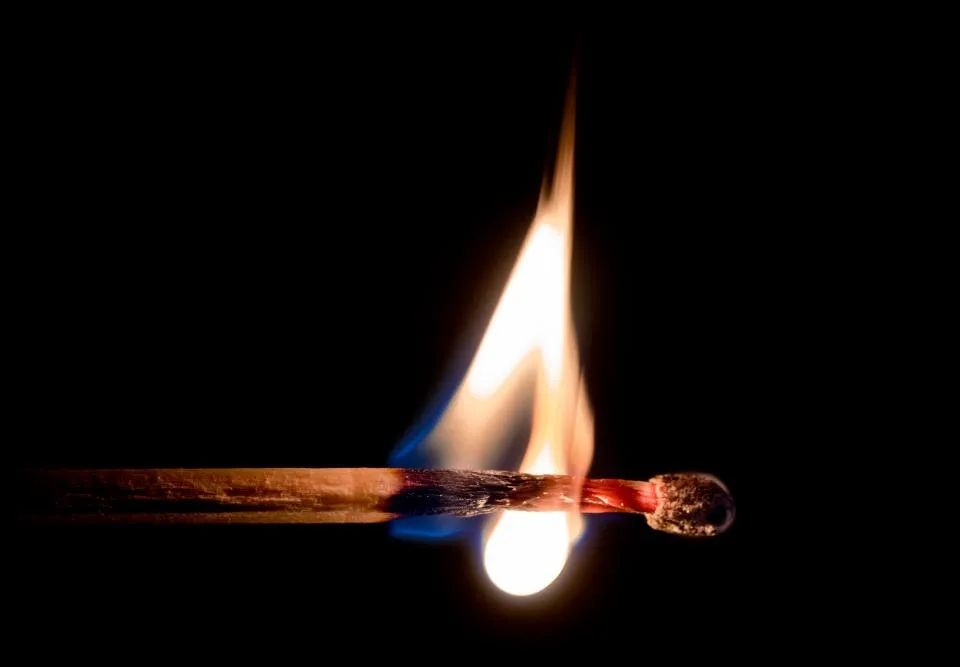
| 16 CFR Part 1633 | Open-flame ignition (lighters, candles, matches) | Measures the size of the fire during a 30-minute test |
CPSC issued the open-flame rule in 2006 because, as the Federal Register notice explains, a significant number of mattress fires start from open flames that the cigarette standard didn't directly address. Mattresses must carry a label stating they meet 16 CFR Part 1633.
How Brands Meet the Standards
| Approach | What It Is | Considerations |
|---|---|---|
| Wool | A natural fire barrier, often used in organic mattresses | Can be pricier; not for wool allergies or vegans |
| Treated rayon or plant fibers | Fire-resistant fiber "socks" | Tom's Guide reports Helix and Bear use rayon-based barriers |
| Silica-based fibers | Non-chemical fiber barriers | Used by some brands; one reviewer lists a silica barrier on Nest's Starling |
| Fiberglass | A low-cost glass fiber barrier | Safe only if contained; avoid unzipping covers |
| Chemical flame retardants | Added to foams or fabrics | Some older chemicals raised health concerns |
Chemical Flame Retardants: What Changed
Some chemical flame retardants once common in foam, such as PBDEs, have been phased out over health and environmental concerns. CertiPUR-US certified foams are made without certain flame retardants, including PBDE, TDCPP and TCEP. A peer-reviewed study on flame retardants and fiberglass in mattresses noted that "chemical-free" certifications often don't include mattress covers, which is where fire barriers sit.
How to Check What's in Your Mattress
- Read the law tag. It lists materials, though the California Department of Public Health warns some labels don't list fiberglass even when it's present.
- Look for "glass fiber" or "fiberglass" on the label.
- Ask the brand what its fire barrier is made of.
- Check certifications, knowing most cover foam or fabric, not the barrier.
- Don't remove the cover unless the brand says it's designed to be removed.
See our fiberglass in mattresses and mattress certifications guides.
Mattresses We Cover With Non-Chemical Fire Barriers
| Mattress | Fire Barrier (per brand) |
|---|---|
| PlushBeds Botanical Bliss | Organic wool |
| Spindle | Wool only; no fiberglass or chemical flame retardants |
| PlushBeds Organic Bliss | Made without chemical flame retardants or fiberglass, per PlushBeds |
| Layla mattresses | Fiberglass-free, per Layla |
Best for: DIY-minded buyers who want to fine-tune firmness by rearranging layers
| Type | All-latex, 10" total |
|---|---|
| Layers | Three 3" organic Dunlop layers: soft, medium and firm |
| Firmness | Adjustable, roughly medium to firm |
| Latex | GOLS-certified organic Dunlop, OEKO-TEX Standard 100 |
| Cover | Organic cotton (GOTS) and wool, quilted |
| Fire barrier | Wool only; no fiberglass or chemical flame retardants |
| Trial | 120 nights |
| Warranty | 10-year limited |
| Assembly | You zip the layers into the cover yourself |
- Rearrange the three layers to change the feel
- Single replacement layers available later, so you don't have to buy a new bed
- No fiberglass or chemical flame retardants, per Spindle
- Requires assembly
- Cover isn't washable
- Refunds require donating the mattress, per Spindle's terms
Best for: Shoppers who want certified organic latex with a firmness they can change later
| Type | All-latex, organic Dunlop core |
|---|---|
| Heights | 9", 10" or 12" |
| Firmness | Medium or Medium-Firm; dual firmness on split sizes |
| Certifications | GOLS, GOTS, GREENGUARD Gold, eco-INSTITUT |
| Fire barrier | Organic wool |
| Trial | 365-night return policy (per product page) |
| Warranty | Lifetime |
| Made in | California |
- Zippered cover lets you swap the comfort layer for a firmer or softer one
- Organic latex core sourced from Sri Lanka (Arpico)
- Organic wool fire barrier on all six sides
- Premium price tier
- Heavy, like most all-latex beds
- PlushBeds' pages list some trial terms inconsistently, so confirm at checkout
See our best mattress without fiberglass guide for more options.
Frequently Asked Questions
Do All Mattresses Have Flame Retardants?
All mattresses sold in the US must meet federal flammability standards. Not all use added chemical flame retardants; many use inherently fire-resistant barriers such as wool, treated rayon or silica-based fibers, and some use fiberglass.
What Are the Federal Mattress Fire Standards?
16 CFR Part 1632 covers smoldering ignition, such as from cigarettes, and 16 CFR Part 1633 covers open-flame ignition, such as from lighters, candles and matches.
Are Flame Retardants in Mattresses Dangerous?
Some older chemical flame retardants, such as PBDEs, have raised health concerns. CertiPUR-US certified foams are made without certain flame retardants, including PBDE, TDCPP and TCEP. Fire barriers like fiberglass are safe only while contained.
How Do Organic Mattresses Pass Fire Tests?
Many use organic wool as a natural fire barrier, which brands say lets them pass the federal tests without added chemical flame retardants.
The Bottom Line
Every US mattress must pass federal smoldering and open-flame tests. Brands meet them with wool, treated fibers, silica, fiberglass or chemical treatments. If you want to avoid fiberglass or added chemicals, check the law tag, ask the brand and look for mattresses that state their barrier material.
Our top pick is the PlushBeds Botanical Bliss: certified organic latex in Medium or Medium-Firm, with a comfort exchange if you need it.
View Botanical Bliss